
How to Choose the Perfect Lampshade: A Complete Guide
Discover how to choose the perfect lampshade by understanding sizes, shapes, materials, colours and styles. Explore practical tips to match lampshades with your lamp base and home interiors.
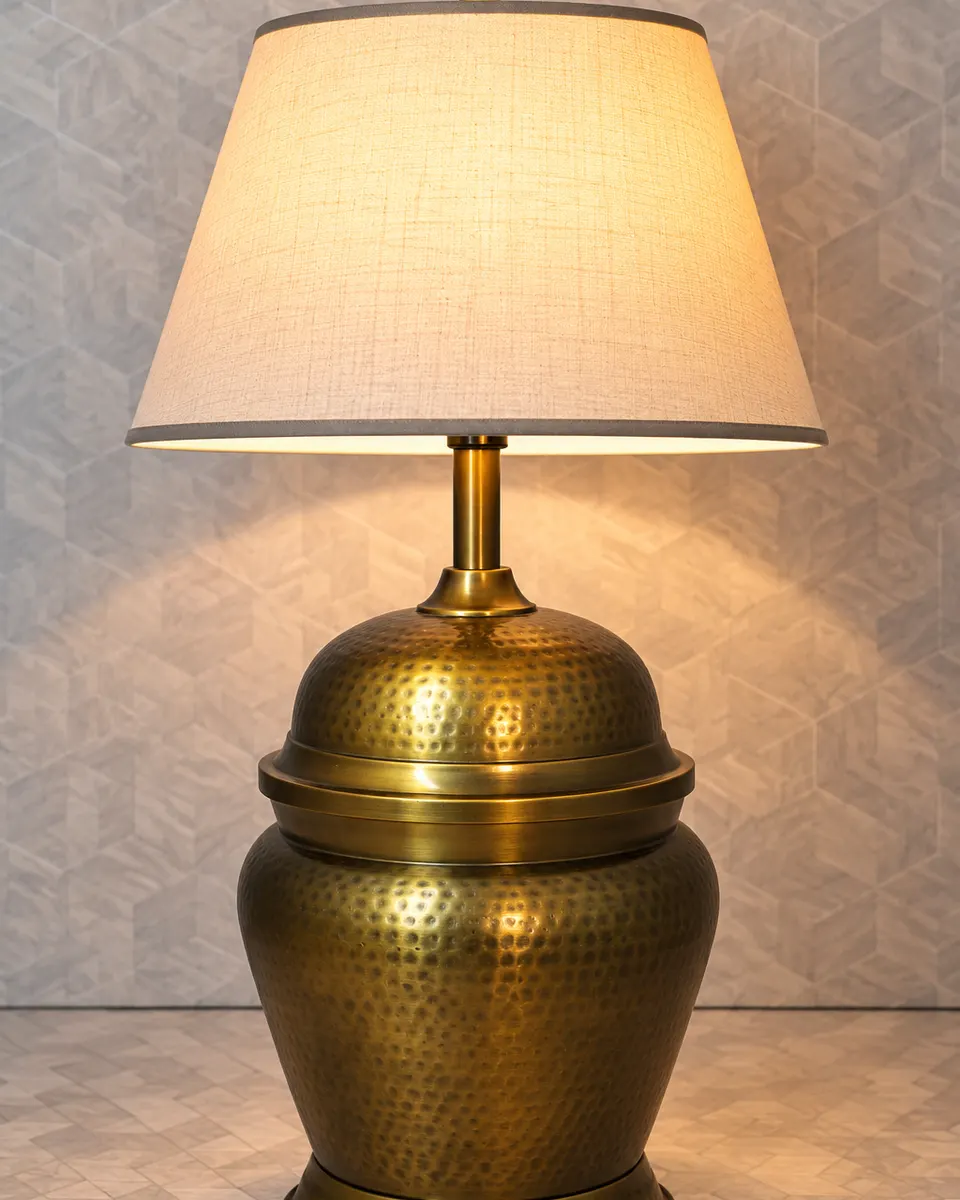
A beautiful lampshade does more than cover a bulb. It influences the atmosphere of a room, complements your furniture and helps create comfortable, functional lighting.
Whether you are styling a bedside table, decorating a living room or selecting lighting for a reading corner, choosing the right lampshade can make a remarkable difference.
At Indian Galleries, we believe that the right lighting brings together craftsmanship, functionality and timeless design. This guide will help you understand the important factors to consider when selecting a lampshade for your home.
1. Understand Different Lampshade Shapes
The shape of a lampshade affects both its appearance and the way light spreads throughout a space.
Drum Lampshades
Drum shades feature straight sides and a cylindrical appearance. Their clean design makes them suitable for contemporary, minimalist and modern interiors.
Empire Lampshades
Empire shades have a wider bottom and a narrower top. They offer a classic appearance and work beautifully with traditional table lamps.
Tapered Lampshades
These shades gradually become narrower towards the top. Their versatile design complements many decorative lamp bases.
Bell Lampshades
Bell-shaped shades feature gently curved sides and a traditional silhouette. They are ideal for creating a soft, elegant decorative look.
When selecting a shape, consider the design of your lamp base and the overall style of your room.
2. Choose the Correct Lampshade Size
One of the most important considerations is selecting a shade that is proportionate to the lamp base.
A shade that is too small may make the lamp look unbalanced, while an oversized shade can dominate the surrounding furniture.
Consider these general guidelines:
- Measure the height and width of your lamp base.
- Compare the shade's bottom diameter with the widest part of the base.
- Check the shade height against the lamp base height.
- Make sure the shade does not obstruct the lamp's stability or intended light distribution.
As a starting point, many traditional table lamps look balanced when the shade height is around one-third of the overall lamp height. However, this is a styling guideline rather than a fixed rule.
Always consider the actual proportions and design of your lamp.
3. Explore Different Lampshade Materials
The material of a lampshade influences its appearance, texture and light transmission.
Fabric Lampshades
Fabric shades create a warm and inviting atmosphere. Linen, cotton and other woven materials are popular choices for bedrooms and living spaces.
Linen Lampshades
Linen offers a natural texture and understated elegance. It complements neutral colour palettes and relaxed interiors.
Pleated Lampshades
Pleated designs introduce texture and decorative detail. They work particularly well in classic, vintage-inspired and elegant interiors.
Natural and Textured Materials
Natural-looking textures can bring warmth and visual interest to a room. Always check the material's suitability for the intended lighting application.
Choose materials that are compatible with the lamp's construction, bulb type and manufacturer safety recommendations.
4. Select a Colour That Complements Your Interior
Colour plays an important role in creating the desired lighting atmosphere.
Here are some popular choices:
- White and Ivory: Create a clean, timeless and versatile appearance.
- Beige and Cream: Complement warm, natural and understated interiors.
- Grey: Works well with contemporary and minimalist spaces.
- Black: Adds contrast and a sophisticated decorative accent.
- Navy Blue: Introduces depth and a refined character.
- Burgundy: Creates a rich and elegant visual statement.
Consider your wall colours, furniture finishes, curtains and other decorative accessories when selecting a lampshade colour.
5. Match the Lampshade with the Lamp Base
A lampshade and lamp base should work together as a balanced design.
For example:
- Ceramic lamp bases pair beautifully with linen and fabric shades.
- Metallic lamp bases complement clean, contemporary shade designs.
- Wooden lamp bases work well with natural textures and neutral shades.
- Decorative lamp bases can be balanced with simple shades that allow the craftsmanship to stand out.
The aim is to create visual harmony without making the entire arrangement look overly matched.
6. Consider the Lighting Effect
Different lampshades create different lighting experiences.
A lighter or more translucent shade generally allows more light to pass through its material, while an opaque shade directs more light through its openings.
Think about how you intend to use the lamp:
- For bedside lighting, consider a comfortable and gentle light.
- For reading corners, consider adequate illumination directed towards the reading area.
- For decorative lighting, choose a shade that enhances the overall appearance of the lamp.
- For living rooms, consider how the lamp contributes to the room's ambient lighting.
Always follow the lamp manufacturer's guidance regarding bulb wattage, bulb type, heat clearance and shade compatibility.
7. Check the Fitting and Compatibility
Before purchasing a lampshade, check how it attaches to the lamp.
Common fitting arrangements include:
- Spider or harp fittings.
- Clip-on fittings.
- Uno fittings.
- Other manufacturer-specific mounting arrangements.
The fitting must be compatible with your lamp holder or harp system.
Also check the shade's dimensions, opening size and clearance from the bulb. Never assume that two lampshades are interchangeable simply because they look similar.
8. Style Your Lampshade with Your Home Décor
A thoughtfully selected lampshade can become an attractive decorative feature.
Here are a few styling ideas:
For the Living Room: Choose a shade that complements your sofa, curtains and furniture finishes.
For the Bedroom: Soft neutral colours and gentle light can create a relaxing environment.
For the Study: Prioritise functional lighting and suitable shade positioning.
For Decorative Corners: Consider textured or patterned shades that add character to your interior.
You can also coordinate lampshades with decorative vases, tabletop accessories and other handcrafted décor elements.
9. Common Lampshade Buying Mistakes to Avoid
Before making your selection, avoid these common mistakes:
- Choosing a shade without measuring the lamp base.
- Ignoring the fitting and bulb compatibility.
- Selecting a colour without considering the room's overall palette.
- Choosing a material without checking its suitability for the light source.
- Overlooking the direction and amount of light required.
- Selecting a design that does not complement the lamp base.
A little planning can help you find a lampshade that is both visually appealing and practical.
Conclusion: Find the Right Lampshade for Your Space
Choosing the perfect lampshade is about finding the right balance between size, shape, material, colour and functionality.
Whether you prefer classic silhouettes, modern drum shades, elegant pleated designs or natural textures, the right choice can enhance the beauty of your lighting and the character of your home.
At Indian Galleries, we celebrate handcrafted lighting and decorative designs that bring warmth, elegance and individuality to interiors.
Explore our lighting collections and discover ideas to create beautifully illuminated spaces.
Indian Galleries – Bringing Craftsmanship and Elegance to Every Space.